Sneaky Sugars: Finding Hidden Sugars in “Healthy” Foods
You’re trying to eat better. You choose the “healthy” option at the supermarket, picking up things like granola bars, fruit yoghurts, and wholemeal bread. You feel good about your choices. But later, you feel that familiar energy slump, or you find you’re not getting the results you hoped for. What’s going on?
It might be hidden sugars. Many foods that are marketed as healthy are actually packed with sugar. This can make it hard to manage your health, your weight, and your energy levels. Learning to spot these sneaky sweeteners is a key skill for truly healthy eating.
This guide will show you where to find hidden sugars, explain the different names they use, and give you simple tips to make smarter choices at the grocery store. By the end, you’ll be able to fill your trolley with food that is genuinely good for you.

Why Is There So Much Sugar in Our Food?
It’s a fair question. Why would a company add lots of sugar to something they label as a health food? There are a few reasons.
First, hidden sugars make things taste good. Our brains are wired to like sweet things. Food companies know this. Adding sugar, even to savoury foods like pasta sauce or bread, can make them more appealing to more people. More people liking the taste means more people buying the product.
Second, sugar can improve the texture and shelf life of food. It can make bread softer, keep baked goods moist, and act as a preservative. This means products can sit on shelves for longer without going bad, which is better for business.
Finally, some “low-fat” products have extra hidden sugars. When companies take fat out of a food, like in a low-fat yoghurt, they often lose a lot of flavour and texture. To make it taste good again, they add sugar, and sometimes a lot of it. This is why a “low-fat” label doesn’t automatically mean “healthy”. You might be trading fat for a large amount of sugar without even realising it.
The Many Disguises of Sugar
One of the trickiest things about avoiding hidden sugars is that it doesn’t always say “sugar” on the label. Food manufacturers use many different names for sugar, which can be very confusing. If you want to find it, you need to know its other names.
Sugar has over 50 different names. Here are some of the most common ones to look out for in the ingredients list:
Spotting the “Ose” Family
A big clue is a word ending in “ose”. If you see one of these, it’s a type of sugar:
- Sucrose (this is regular table sugar)
- Glucose
- Fructose (the sugar found in fruit)
- Dextrose
- Maltose
- Lactose (the sugar in milk)
Watch Out for Syrups
Syrups are a very common way to add hidden sugars to food and drinks. Be on the lookout for:
- High-fructose corn syrup
- Corn syrup
- Agave nectar (often marketed as a “healthy” alternative, but it’s still sugar)
- Maple syrup
- Rice syrup
- Golden syrup
The “Natural” Sugars
Some hidden sugars sound healthy because they come from natural sources, but your body treats them in much the same way as regular sugar. Don’t be fooled by names like:
- Honey
- Molasses
- Cane juice or evaporated cane juice
- Fruit juice concentrate
- Coconut sugar
- Date sugar
While some of these, like honey or maple syrup, might have tiny amounts of other nutrients, they are still mainly sugar. They will still have the same effect on your blood sugar levels.
The best rule is to read the ingredients list carefully. The higher up an ingredient is on the list, the more of it there is in the product. If you see any of these hidden sugars in the first few ingredients, the food is likely high in sugar.
Common “Health Foods” With Hidden Sugars
Now that you know what to look for, let’s uncover some of the common culprits. These are foods that many of us buy thinking they are good for us, but they can be loaded with hidden sugar.
Breakfast Cereals and Granola
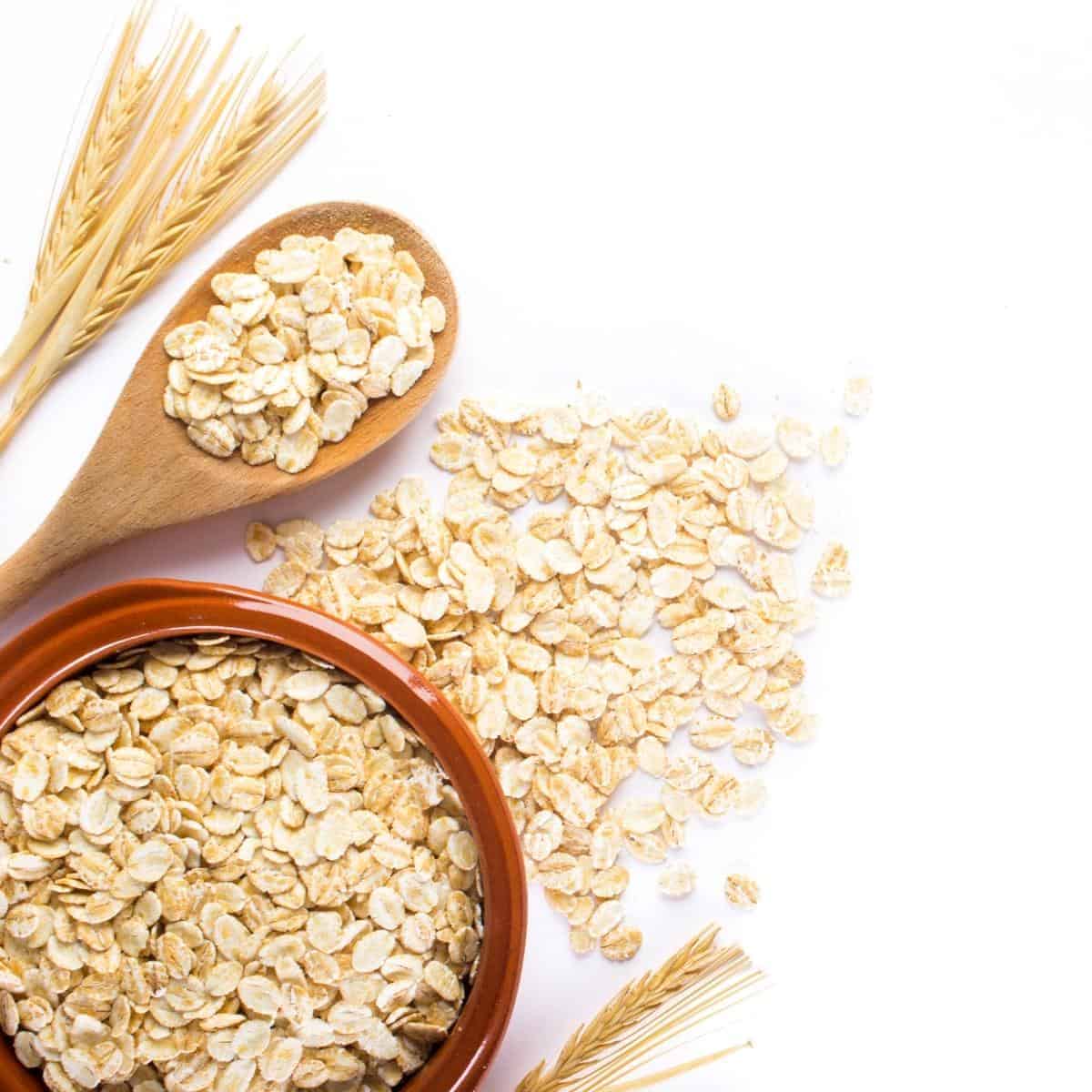
This is a big one. Many cereals, especially those aimed at children, are full of sugar. But even “adult” cereals and granola can be surprisingly sweet. Some popular granolas contain as many hidden sugars per serving as a doughnut. Always check the label. Look for cereals with less than 5g of sugar per serving. Better yet, switch to plain porridge oats and add your own fresh fruit for sweetness.
Flavoured Yoghurts
Plain yoghurt is a great source of protein and calcium. But as soon as fruit flavouring is added, the sugar content often shoots up. A small pot of fruit-flavoured yoghurt can contain 3 to 4 teaspoons of added sugar. That’s more than half the recommended daily amount for an adult. The healthier choice is to buy plain, natural yoghurt, or perhaps make your own yoghurt and add your own berries, chopped fruit, or a tiny bit of honey if you need it.
Pasta Sauces
You wouldn’t expect a savoury tomato sauce to have much sugar, would you? But many jarred pasta sauces contain added sugar to balance the acidity of the tomatoes. Some brands have more sugar in one serving than a couple of chocolate biscuits. When you’re buying pasta sauce, compare the labels and choose the one with the lowest sugar content. Or, even better, make your own pasta sauce with tinned tomatoes, herbs, and garlic. It’s easy and you’ll know exactly what’s in it.
Wholemeal Bread
Bread needs a small amount of sugar to help the yeast work, but some packaged loaves, even wholemeal ones, have extra hidden sugars added for flavour and softness. While it’s usually not a huge amount per slice, it can add up if you eat bread every day. Check the ingredients and nutrition panel to find a lower-sugar option.
Salad Dressings and Condiments
Salads are the picture of health, but the dressing you pour over them can be a sugar trap. Bottled salad dressings, especially low-fat and sweet varieties like French or honey mustard, can be full of hidden sugars. The same goes for condiments like ketchup, barbecue sauce, and sweet chilli sauce. A single tablespoon of barbecue sauce can have more than a teaspoon of sugar. It’s best to make your own simple vinaigrette with olive oil and vinegar.
How to Make Healthier Choices
Feeling a bit overwhelmed? Don’t be. Avoiding hidden sugars doesn’t have to be hard. It just takes a little bit of practice. Here are some simple, practical steps you can take.
1. Become a Label Reader
This is the most important skill you can learn. Don’t just look at the front of the package for hidden sugars. Turn it over and read the nutrition panel and the ingredients list. Look at the “sugars” line in the “of which sugars” section. This tells you the total amount of sugar per 100g. A food is considered high in sugar if it has more than 22.5g of total sugars per 100g. It is low in sugar if it has 5g of total sugars or less per 100g.
2. Cook From Scratch More Often
The easiest way to control what’s in your food is to make it yourself. When you cook your own meals, you decide how much sugar, if any, goes in. This doesn’t mean you have to cook elaborate meals every day. Simple things like making your own pasta sauce, porridge, or salad dressing can make a huge difference.
3. Choose Whole Foods
Whole foods are foods that haven’t been processed. Think fresh fruit and vegetables, lean meats, fish, eggs, nuts, and seeds. These foods don’t have ingredient lists because they are the ingredients. Basing your diet around these foods is the simplest way to avoid added sugars and other unwanted additives.
4. Be Wary of Health Claims
Be sceptical of claims on the front of packaging. Words like “natural”, “healthy”, “low-fat”, or “gluten-free” do not mean “low-sugar”. In fact, as we’ve seen, low-fat products are often higher in sugar. Always turn to the back of the pack to get the real story.
Your Path to a Lower-Sugar Life
Reducing the amount of hidden sugars in your diet is one of the best things you can do for your health. It can lead to more stable energy levels, better weight management, and a lower risk of long-term health problems. It’s not about cutting out all sweet treats, but about being aware of the sugar you didn’t even know you were eating.
Start by making small changes. This week, try swapping your usual breakfast cereal for one with less sugar, or make your own salad dressing instead of buying it. Once you get into the habit of reading labels and questioning what’s in your food, it will become second nature. You’ll be in control of your diet and on the path to a healthier, more energetic you.