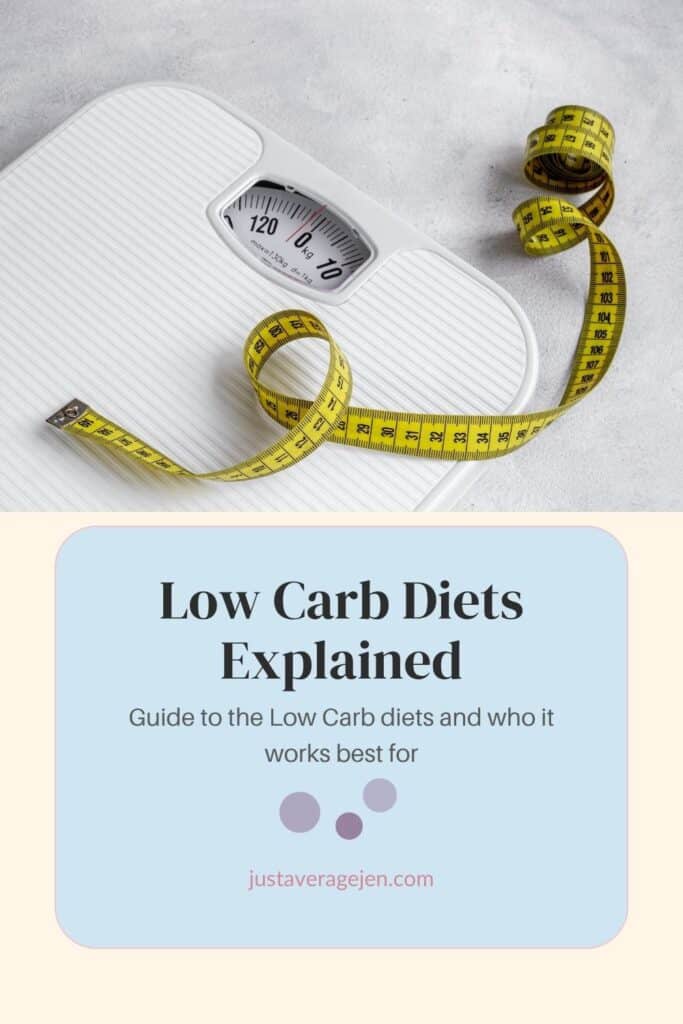
Low Carb Diet: My Honest Experience, What It Is, and What I Wish I Knew Before Starting
Low carb eating is one of those topics that seems to divide opinion immediately.
Some people swear by it for weight loss and energy. Others find it restrictive, difficult to maintain, or simply not suitable for their lifestyle.
I’ve tried low carb eating on and off over the years — sometimes quite strictly, sometimes more loosely — and what I’ve learnt is that it is not a magic solution, but it can be a useful tool depending on how you approach it.
What I also didn’t fully understand at the beginning is that “low carb” does not mean “no carb”, and how you do it makes a huge difference to how you feel physically and mentally.
Let’s break it down in a realistic, non-diet-culture way.

In this article, let’s talk about some practical tips for losing weight on a low carb diet that you can also use.
What Is a Low Carb Diet?
A low carb diet simply means reducing the amount of carbohydrates you eat and replacing some of them with protein, fats, and vegetables.
In the UK, a low carb diet is generally defined as eating between around 50g–130g of carbohydrates per day, depending on the approach.
To put that into context, carbs include:
- Bread, pasta, rice, potatoes
- Fruit and some vegetables
- Sugary foods and snacks
- Cereals and baked goods
And what people often don’t realise is that carbs are not “bad” — they are simply one of the body’s main energy sources.
A low carb diet just changes the balance of what you eat.
Why I First Tried a Low Carb Diet
For me, it started with frustration.
I felt like I was constantly hungry, snacking too much, and not really in control of my eating habits. A low carb diet was something I kept hearing about as a way to:
- Reduce cravings
- Help with weight loss
- Feel fuller for longer
And in fairness, there is some science behind that idea.
Some research suggests that higher protein and fat intake can increase fullness and reduce overall calorie intake for some people.
But what I didn’t realise at the time was that the experience is very individual.
What a Low Carb Diet Felt Like for Me
This is where I want to be really honest.
When I first reduced carbs quite a lot, I did notice:
- Less snacking in the evenings
- Slightly more stable energy at times
- Faster initial weight loss
But I also noticed:
- Headaches in the first week
- Feeling a bit “flat” and low energy at times
- Strong cravings for bread and potatoes
- Being a bit obsessive about food choices
That “food noise” element was actually something I hadn’t expected. It made me realise how much mental space food can take up when you restrict certain things too quickly.
I also had phases where I went too low carb too fast, and that was when I felt worst — tired, irritable, and not great around food at all.
Some NHS-related guidance notes that reducing carbs can cause short-term side effects like fatigue, headaches, and irritability during the adjustment period.
That matched my experience exactly.
Low Carb Does NOT Mean Cutting Out All Carbs
This is something I wish I had understood earlier.
A healthy low carb diet is not about removing entire food groups — it is about reducing and balancing them.
In fact, organisations like Diabetes UK specifically emphasise that a low carb diet should not become no-carb eating, because carbohydrates also provide fibre, vitamins, and energy.
Now when I think about low carb meals, I focus more on:
- Reducing refined carbs (like white bread and sweets)
- Keeping in vegetables and fibre
- Including some wholefood carbs when needed
- Balancing meals with protein
Rather than cutting everything out completely.
That mindset shift made it far more sustainable for me.
The Benefits I Personally Noticed
When I followed a more balanced version of low carb diet, I did notice some positives:
1. Less constant snacking
I felt fuller for longer after meals that included protein and fats.
2. More awareness of what I was eating
I became more intentional rather than mindless with food choices.
3. Reduced sugar cravings at times
Not gone completely, but definitely less intense when meals were balanced properly.
4. Initial weight loss
Like many people, I saw faster results early on — although this does not always continue long term for everyone.
The Downsides I’ve Experienced with a Low Carb Diet
This is the part I think is often glossed over online.
Feeling restricted
If I made low carb too strict, I started thinking about food constantly.
Social difficulty
Eating out or family meals sometimes became awkward or stressful.
Energy dips
On days I went too low carb, I sometimes felt tired or foggy.
“All or nothing” thinking
This was a big one for me — if I “messed up”, I felt like I had failed completely.
I’ve learned that this mindset is often more damaging than the carbs themselves.
The Biggest Mistake I Made: Going Too Extreme
Every time I tried to be very strict with low carb eating, it never lasted.
What actually worked better was:
- Reducing carbs rather than eliminating them
- Choosing higher quality carbs
- Eating enough overall food
- Not labelling foods as “good” or “bad”
A more balanced approach — similar to Mediterranean-style eating patterns often recommended in public health guidance — tends to be easier to sustain long term.
And sustainability is really the key point most people eventually come back to.
Which foods are high in carbs?
Bread and Pasta: These are probably the most famous carb-heavy foods. Whether it’s a slice of toast in the morning or a bowl of spaghetti for dinner, breads and pastas are packed with energy. Limiting the amount of these you eat is an easy way to reduce carbs.
Fruits: Yes, fruits have carbs too! Bananas, apples, and grapes are not just tasty; they also give you a quick energy boost. The carbs in them are much better than refined carbs but should still be eaten in moderation.
Potatoes: These versatile veggies can be mashed, baked, or turned into chips, and they’re full of carbs.
Rice: A staple in many cultures, rice is a fantastic carb source. From sushi to stir-fry, it’s in many meals.
Cereals: Breakfast cereals, especially those made from grains like oats and wheat, are high in carbs.
Who Might Find a Low Carb Diet Helpful?
Based on both research and real-world experience, low carb eating may suit some people better than others.
It may be helpful for:
- People who feel better on higher protein meals
- Those trying to reduce sugar intake
- People managing blood sugar levels (with medical guidance)
- Anyone who prefers savoury, protein-based meals
But it may not suit:
- People who feel low energy without carbs
- Those with very active lifestyles
- Anyone prone to restrictive eating patterns
- People who find “food rules” stressful
And honestly, there is no universal answer here — which is something I had to accept over time.
My Current Approach to Carbs Now
These days, I don’t follow a strict low carb diet.
Instead, I aim for balance.
That usually looks like:
- Protein with every meal
- Plenty of vegetables
- Carbs included when I want them (not feared)
- Less ultra-processed food overall
- More awareness of portion sizes rather than restriction
And this feels far more sustainable mentally for me than strict rules ever did.
My Thoughts
A low carb diet is not inherently good or bad — it is just one way of eating that may or may not suit your body, lifestyle, and mindset.
For me, the biggest lesson has been that extreme restriction rarely lasts and often increases food obsession rather than reducing it.
A more flexible approach has worked far better long term than strict carb counting ever did.
If you are considering low carb eating, I think the most important thing is to ask:
- Does this feel sustainable for me?
- Am I eating in a way that supports my energy and mood?
- Am I doing this in a balanced way or an overly restrictive way?
Because in my experience, the “best” diet is always the one you can actually live with — not just for a few weeks, but in real life, day to day.
Other articles you may find helpful
- The Slimming World low carb plan and how it works
- The links between weight loss and a good night sleep
- Simple rules for a keto lifestyle
- How to lose weight without it being difficult dieting
- Losing weight with Optifast products