What is Garam Masala? The secret to warming up your family meals
Have you ever wondered why your homemade curry never quite tastes like the one from your favourite takeaway? You’ve followed the recipe, chopped the onions until you cried, and simmered the sauce for ages. Yet, something is missing. That special little something that makes the dish sing.
The answer is often hiding in a small jar at the back of the cupboard: garam masala.
If you are new to cooking Indian food, the spice aisle can feel a bit overwhelming. There are so many powders, seeds, and dried leaves that it is easy to get confused. You might grab a generic “curry powder” and hope for the best. But if you really want to make delicious, authentic-tasting meals for your family, getting to grips with garam masala is the best place to start.
It is not just another spicy powder. It is actually key to many Indian dishes. But what exactly is it? Is it hot? Is it sweet? And when on earth are you supposed to add it to the pan?
In this guide, I will share everything you need to know about Garam Masala, what goes into it, how it differs from other spices, and how you can use it to make your meals taste great.
The “warming” spice mix explained
What does “garam masala” actually mean? The name comes from Hindi and Urdu. “Garam” means hot, and “masala” means a mixture of spices. So, literally, it translates to “hot spice mix”.
Now, before you panic and worry about blowing your head off with heat, hang on a second. In this context, “hot” doesn’t necessarily mean chilli-hot. It refers to heat in a different way. According to Britannica, the term refers to spices that are meant to warm the body.
Think of the feeling you get when you eat a cinnamon bun or drink a chai latte. That cosy, glowing warmth? That is the kind of heat we are talking about. It is meant to increase your metabolism and make you feel warm inside, which is why these spices are so popular in colder regions of Northern India.
While some blends do contain black pepper (which adds a bit of a kick), garam masala is generally more aromatic and fragrant than it is fiery. It adds depth and complexity to a dish rather than just burning your tongue.
What is actually inside the jar?
All Garam Masala blends are slightly different. It is a bit like asking for a “perfect” recipe for a Sunday roast gravy; everyone does it slightly differently, depending on their family preferences and where they live.
However, a few key spices that tend to be in most blends. These usually include:
- Cinnamon: For that sweet, woody warmth.
- Cardamom: Both green (sweet and floral) and black (smoky and earthy).
- Cloves: Strong, pungent, and slightly sweet.
- Cumin: Earthy and nutty.
- Coriander seeds: Citrusy and light.
- Black peppercorns: For a bit of sharp heat.
- Nutmeg or Mace: For a sweet, aromatic background note.
Some regional variations might include fennel seeds, star anise, or even dried rose petals. But generally, the focus is on those deep, brown, warming spices.
Garam Masala vs. Curry Powder
This is probably the most common question people have. Are they the same thing? Can I swap one for the other?
The short answer is no. They are actually quite different.
“Curry powder” as we know it in the UK is largely a Western invention. It was created by the British during the colonial era to try to mimic the flavours of Indian cooking to take back home. You won’t typically find a jar labelled “curry powder” in a traditional Indian kitchen.
Here is how to spot the difference:
1. The Colour
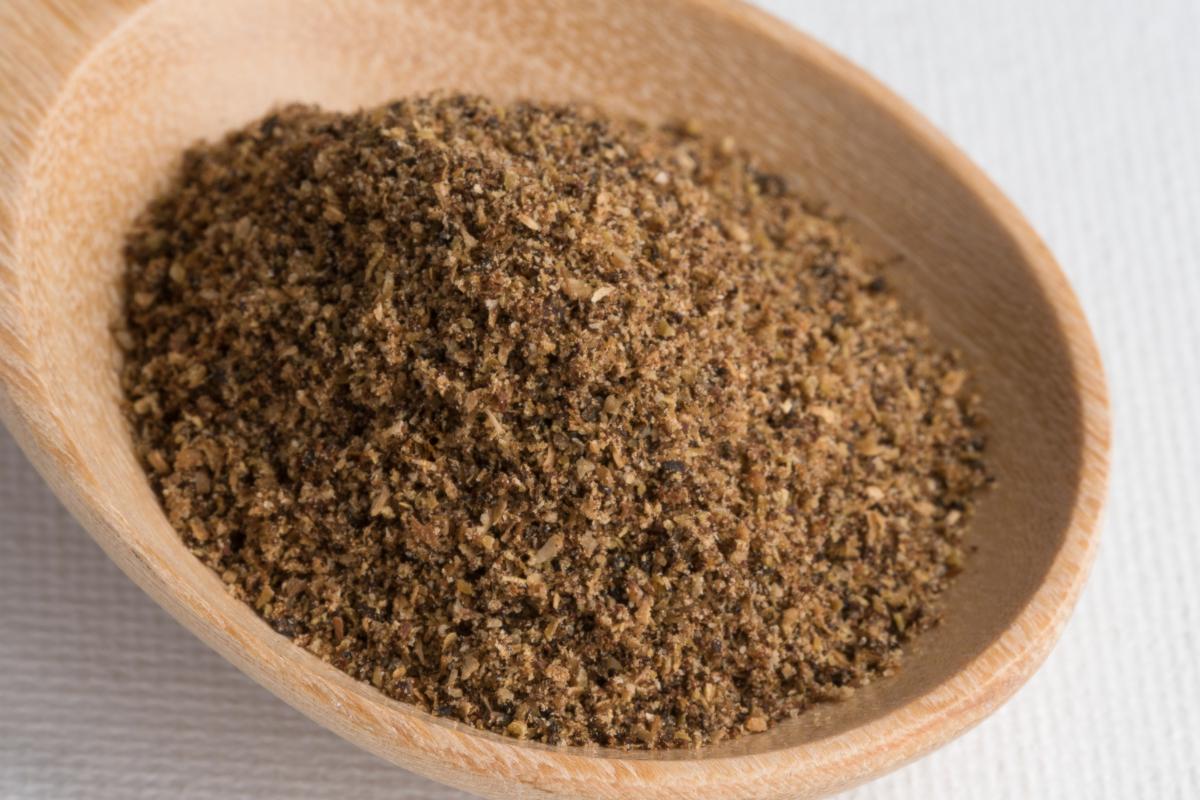
Curry powder is almost always bright yellow. This is because it is heavy on turmeric. Garam masala, on the other hand, is usually a dark, toasted brown colour because it rarely contains turmeric.
2. The Flavour Profile
Curry powder is often used as a “base” flavour. It is savoury and earthy. Garam masala is sweeter, more pungent, and more aromatic. It smells like baking spices mixed with savoury notes.
3. How they are cooked
You usually add curry powder at the beginning of cooking so the raw taste of the turmeric cooks out. Garam masala is often treated differently.
So, if a recipe needs garam masala and you only have curry powder, the result will taste completely different. It won’t necessarily be bad, but it won’t have that authentic, fragrant finish you are looking for.
Whole spices vs. ground powder
When you are shopping, you may see garam masala sold in two forms: a pre-ground powder or a packet of whole spices.
Ground Powder: This is what most of us buy. It is convenient, easy to scoop, and ready to go. It is perfect for busy weeknights when you just want to get dinner on the table.
Whole Spices: This is the chef’s choice. Buying the spices whole (sticks of cinnamon, whole cardamom pods, etc.) means they keep their flavour for much longer. When you grind them fresh yourself, the smell is unbelievable. The oils in the spices are released right at that moment, giving you a much more potent flavour.
If you have the time, buying whole spices is a great way to improve your cooking. But let’s be honest, sometimes convenience wins. If you are using pre-ground powder, just make sure it hasn’t been sitting in your cupboard too long! As I talked about in my article about keeping dried herbs and spices fresher for longer, they quickly lose their flavour.
How to make your own blend at home
Making your own blend might sound fancy, but it is actually really simple. Plus, it makes your kitchen smell better than any expensive candle ever could.
Here is a basic way to have a go at it:
- Gather your spices: Get a mix of coriander seeds, cumin seeds, cardamom pods, cloves, cinnamon stick, and black peppercorns.
- Toast them: Put the whole spices in a dry frying pan (no oil!) over medium heat.
- Keep them moving: Stir them constantly. You don’t want them to burn; you just want them to warm up. After a couple of minutes, they will darken slightly and start to smell amazing. This releases the essential oils.
- Cool down: Take them out of the pan immediately so they don’t keep cooking. Let them cool completely.
- Grind: Use a spice grinder or a mortar and pestle to grind them into a fine powder.
You can then store this in an airtight jar. Homemade blends usually taste fresher and stronger than store-bought ones, so you might need to use a little less in your cooking.
When to add it to your cooking
This is the golden rule of using garam masala: Timing is everything.
Because the spices in garam masala are often already toasted before they are ground, and because they are so aromatic, you don’t always need to cook them for a long time.
In fact, if you add garam masala right at the start of a long slow-cook, the delicate aromatics can disappear or turn bitter.
Using it to finish a dish
Traditionally, garam masala is used as a finishing spice. You sprinkle a teaspoon or two into your curry right at the very end of cooking, just before you take it off the heat. You stir it in, pop the lid on, and let it sit for a few minutes. This traps the aroma inside, so when you serve it, you get that lovely burst of fragrance.
The Marinade
Another great way to use it is in marinades. If you are making Tikka Masala or tandoori chicken, you mix the garam masala with yoghurt and spices to coat the meat before grilling.
The Base (Sometimes!)
Some recipes do ask you to add it along with the onions and garlic to build a deep flavour base. It depends on what you are making. But if you are unsure, sprinkling it at the end is usually the safest bet for maximum flavour.
What can you cook with it?
You don’t have to limit yourself to just curries. Because it has those sweet notes from cinnamon and nutmeg, it is surprisingly versatile.
- Vegetables: It is amazing with roasted root vegetables. Toss some carrots or butternut squash in oil and garam masala before roasting.
- Pulses: They instantly liven up lentils and chickpeas.
- Meat alternatives: If you are cooking vegetarian meals using Quorn, garam masala adds a depth of flavour that can sometimes be missing from meat-free dishes.
- Baking: Believe it or not, a pinch can add a spicy twist to apple pie or gingerbread!
If you are looking for a full guide on building the perfect meal, check out this post on how to make a curry, which breaks down blends and bases in more detail.
Storage: How long does it last?
We are all guilty of hoarding spices. You buy a jar for one recipe, use a teaspoon, and then leave it on the spice rack. Five years later, you find it again.
So, does it go off?
Spices don’t usually “go off” in the sense that they will make you sick (like old milk), but they do lose their flavour potency. They become dusty and pretty tasteless.
According to the spice experts at McCormick, here is a rough guide:
- Whole spices (like peppercorns and cinnamon sticks) last about 3-4 years.
- Ground spices (like your jar of garam masala) last about 2-4 years.
However, that clock starts ticking from when it was ground, not just when you bought it.
The Sniff Test
The best way to check is to use your nose. Open the jar and take a sniff. If the smell hits you instantly, it is good to go. If you have to stick your nose right in and search for a scent, it is probably past its best. It won’t harm you, but it won’t add much flavour to your food either.
How to store it
To keep it fresh for longer, keep your spices away from heat, moisture, and direct sunlight.
- Don’t store them on a rack right above the hob (the steam ruins them).
- Don’t keep them on a sunny windowsill.
- Do keep them in a cool, dark cupboard or drawer in airtight jars.
Is garam masala for you?
Indian cooking has a long history of using food as medicine, often linked to Ayurveda (a traditional Indian system of medicine). The spices in garam masala are often used because they are believed to help with digestion.
Ginger and pepper are thought to stimulate digestion, while cloves and cardamom have been used for centuries to help settle the stomach. While I can’t promise it will cure a cold, a warming bowl of spiced lentils is certainly great comfort food when you are feeling a bit under the weather.
Conclusion
Garam masala is one of those ingredients that, once you start using it properly, you will wonder how you managed without it. It bridges the gap between a bland stew and a fragrant, authentic-tasting curry.
It brings warmth without burning heat, and complexity without being complicated. Whether you buy a trusty jar from the supermarket or feel brave enough to grind your own, it is a must-have for your kitchen.
So next time you are cooking a curry, resist the urge to just dump in the yellow powder. Reach for the garam masala, sprinkle it in right at the end, and enjoy the incredible aroma that fills your kitchen.
Garam Masala – Frequently Asked Questions
Is garam masala spicy/hot?
Not usually in the way chilli is. It is “warm” rather than “hot”. However, it does contain black pepper, so it has a tiny bit of a kick, but it is generally safe for people who don’t like fiery food.
Can I use garam masala instead of curry powder?
You can, but the taste will be different. You will lose the yellow colour and the earthy turmeric taste. If you do swap them, add the garam masala at the end of cooking, rather than adding curry powder at the start.
What is a good substitute for garam masala?
If you have run out, you can try mixing cumin and allspice together. It won’t be perfect, but it will give you a similar “warm” flavour profile. Alternatively, a mix of curry powder and a bit of extra cinnamon or cloves can work in a pinch.
Does garam masala contain gluten?
Pure spices are naturally gluten-free. However, some cheaper store-bought blends might use anti-caking agents or be processed in factories that handle wheat. Always check the label if you have an allergy.
Can I put garam masala in tea?
Yes! The spices in garam masala are very similar to the spices used in Masala Chai. You can add a tiny pinch to your brewing tea for a spicy kick.
Do you use Garam Masala often? Is it something you might try and use more now you know more about it? Let me know in the comments below.