What are high-impact exercises?
If you’ve ever done star jumps, burpees, running or a HIIT workout, chances are you’ve already tried high impact exercise.
These types of workouts can be fantastic for improving fitness, burning calories and building strength, but they aren’t always suitable for everyone.
For years I assumed high impact exercise was the “best” way to lose weight because it tends to burn more calories and leaves you feeling like you’ve worked really hard. The problem was that my body didn’t always agree, especially when I was carrying extra weight or dealing with aches and pains.
What I’ve learned is that high impact exercise can be incredibly effective, but it isn’t something you should jump into without thinking about your fitness level, mobility and overall health.
The key is finding the right balance between challenging yourself and looking after your body.
I was recently advised to do some high-impact exercises to help protect and strengthen my bones due to being put into a medical menopause at a younger age than they prefer. I am 45, and the medical menopause puts me at a higher risk of things like osteoporosis and brittle bone disease, so they ask you to take calcium and vitamin D and increase your high-impact exercises to help.
What are high-impact exercises?
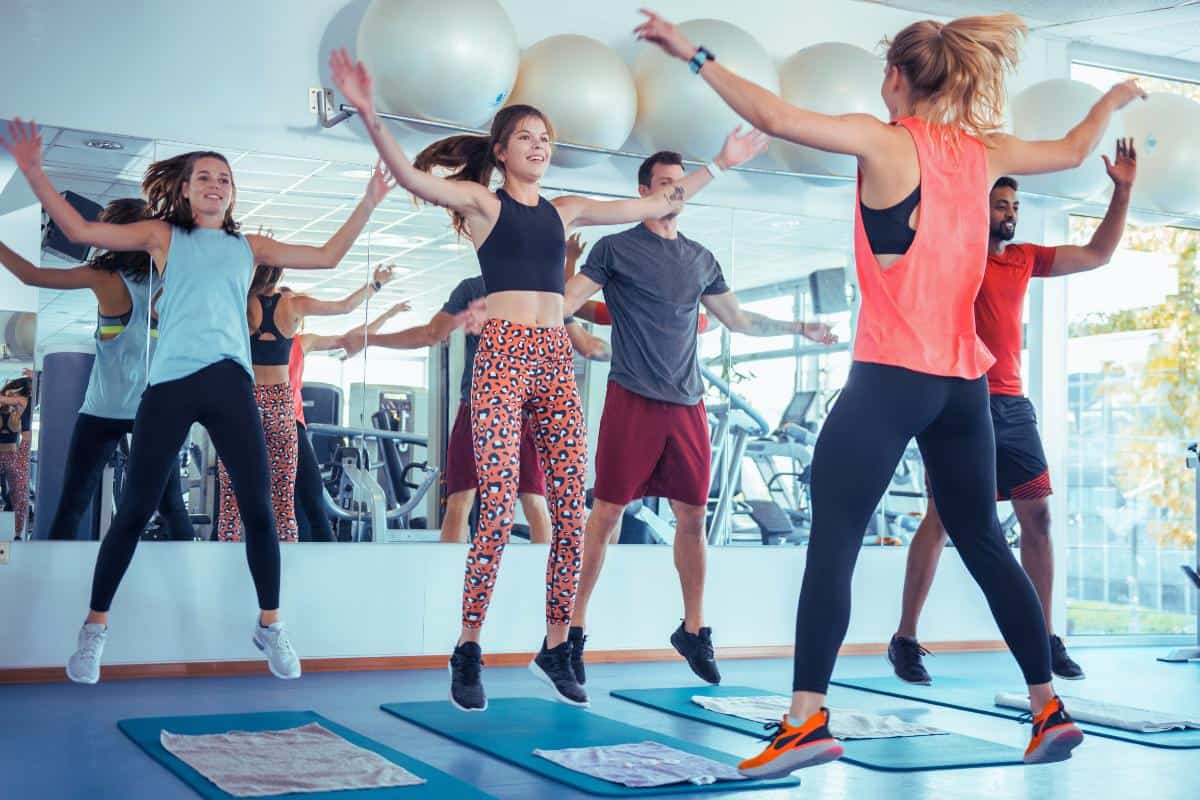
High-impact exercises are activities where both feet leave the ground simultaneously. When you land, your body absorbs a force that is greater than its own weight. Think about jumping, hopping, or running. Each time your feet hit the floor, your bones and muscles are put under stress.
This stress might sound like a bad thing, but it’s actually very good for you. It acts as a signal to your body, telling it to get stronger. Your bones respond by building more bone tissue, and your muscles work harder, which helps them grow.
It’s easy to get “impact” confused with “difficulty.” A high-impact exercise isn’t necessarily a hard one. For example, skipping with a rope is a high-impact activity, but it may feel easier for you than a slow, low-impact exercise like holding a plank. The “impact” part is all about the force created when you land.
High-impact exercises vs. low-impact exercises
To understand high-impact better, let’s compare it to its opposite: low-impact exercise.
Low-impact exercises are activities where at least one of your feet stays on the ground at all times. Think of walking, cycling, or using a cross-trainer machine. These movements are gentler on your joints because they don’t involve the forceful landing that comes with jumping. Swimming is another great example of a low-impact workout, as the water supports your body weight.
Here’s a quick comparison to make it clearer:
- High-Impact Examples: Running, jumping jacks, skipping, high knees, box jumps, sports like basketball or netball.
- Low-Impact Examples: Walking, swimming, cycling, yoga, Pilates, using an elliptical machine.
Both types of exercise are valuable. Low-impact workouts are excellent for building endurance, improving heart health, and are a safe option for people with joint pain or injuries. However, high-impact exercises offer unique benefits, especially for bone health, that low-impact activities can’t quite match.
Why do we need high-impact exercises?
If you want strong bones and a powerful body, high-impact exercises are your best friend. The benefits go far beyond just building muscle. Let’s look at why they are so essential.
Building stronger bones
This is perhaps the most important benefit of high-impact exercise. Our bones are living tissues that are constantly breaking down and rebuilding. When you do high-impact activities, the force of landing sends a signal to your bones to build more cells. This process makes your bones denser and stronger.
Think of it like this: if you don’t use your muscles, they get weaker. The same is true for your bones. If you only do low-impact activities, your bones don’t get the message that they need to be strong.
This is especially important as we age. After about the age of 30, we naturally start to lose bone density. This can lead to a condition called osteoporosis, where bones become weak and are more likely to break. Regular high-impact exercise is one of the best ways to fight this process and keep your skeleton strong for life.
Improving muscle strength and power
High-impact exercises require your muscles to work hard and fast. When you jump, your leg and core muscles have to contract powerfully to lift you off the ground. When you land, they have to work to control your body and absorb the shock.
This type of training builds muscle power, which is the ability to use your strength quickly. Having good muscle power is useful in everyday life. It helps you react quickly if you trip, lift a heavy box, or run to catch a bus. Strong muscles also support your joints, which can help reduce the risk of injury.
Burning more calories
Because high-impact exercises are often very intense, they are great for burning calories. Activities like running, circuit training with jumps, or a fast-paced dance class can burn a lot of energy in a short amount of time.
This can be very helpful if you are trying to manage your weight. Even a few minutes of high-impact work in your routine can make a big difference to your total calorie burn.
Boosting your balance and coordination
Jumping, hopping, and changing direction quickly all challenge your balance and coordination. Your body has to constantly adjust to stay upright and in control.
Practising these movements improves the connection between your brain and your muscles. This helps you become more agile and less likely to fall, which is another crucial benefit as you get older.
How to safely add high-impact exercises to your routine
Are you ready to start jumping your way to better health? It’s important to start slowly and safely. Jumping into an intense routine too quickly can lead to injuries. Here’s how to do it right.
Step 1: Build a solid foundation
Before you start doing a lot of high-impact work, make sure you have a good base of strength. If your muscles aren’t strong enough to support your joints, you could get hurt.
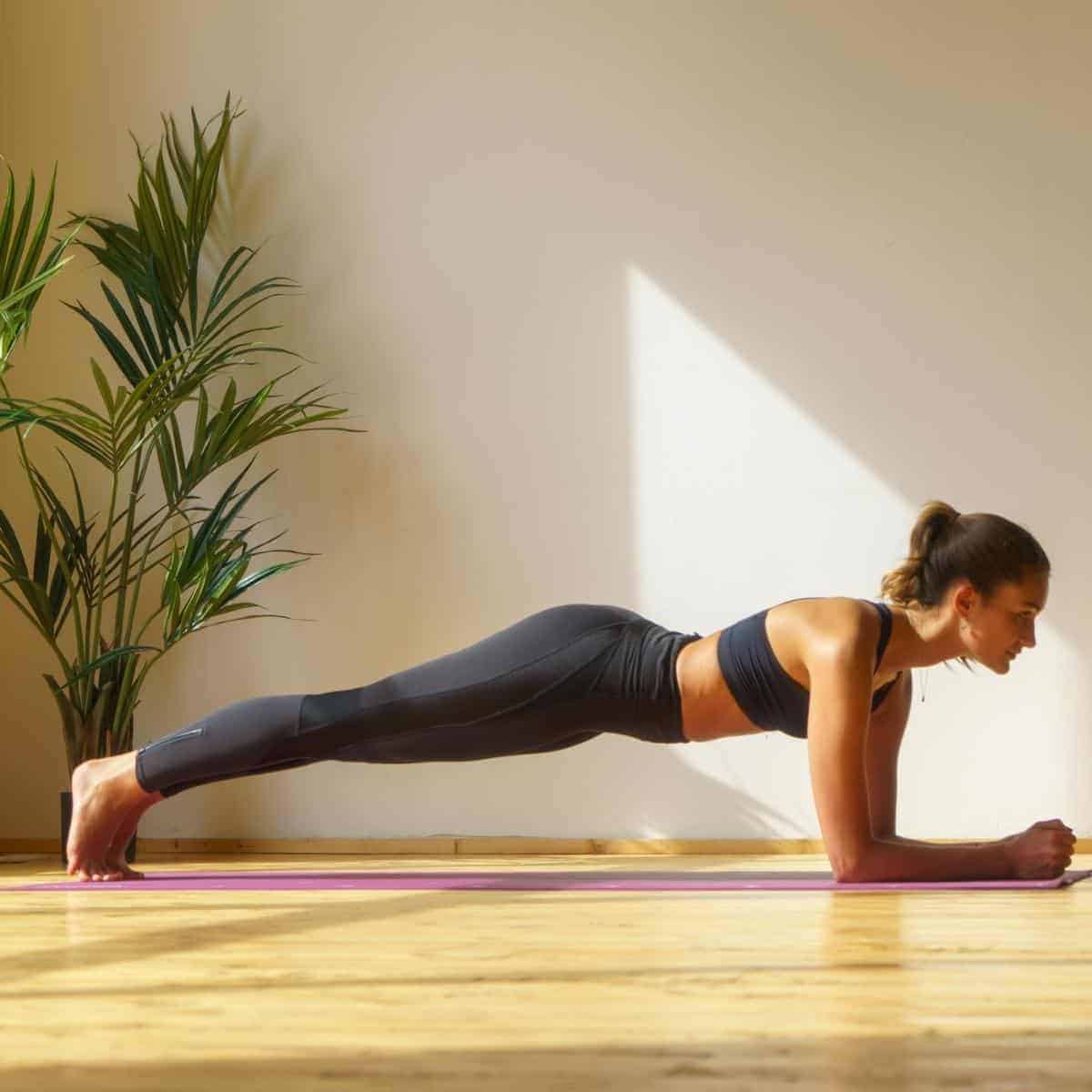
Spend a few weeks focusing on low-impact strength exercises. Squats, lunges, and bridges are great for building strength in your legs and glutes. Planks are fantastic for developing a strong core. When you can do these exercises with good form, you’ll be ready to add some impact.
Step 2: Start small
You don’t need to go from zero to running a 5K overnight. Start by adding small amounts of high-impact exercise into your existing workouts.
For example:
- If you normally walk for 30 minutes, try adding a 30-second jog every 5 minutes.
- During your strength workout, add a set of 10 jumping jacks between exercises.
- Try some gentle skipping with a rope for one minute to see how it feels.
Listen to your body. If you feel any sharp pain, stop. A little muscle soreness the next day is normal, but joint pain is a sign you might be doing too much, too soon.
Step 3: Focus on good form
How you land is just as important as how high you jump. Always aim to land softly, like a cat. Bend your knees as you land to absorb the impact. Try to land on the balls of your feet and then roll through to your heels.
Avoid landing with stiff, straight legs. This sends all the shock straight up to your knees, hips, and back. If you’re not sure about your form, try practising in front of a mirror or ask a fitness professional for advice.
Step 4: Wear the right shoes
Good shoes can make a big difference. When doing high-impact exercises, you need shoes that offer good cushioning and support. Running shoes or cross-training shoes are usually a good choice. Avoid wearing flat shoes with thin soles, as they won’t provide enough shock absorption.
Step 5: Mix it up
Your body needs a mix of different types of exercise to be truly healthy. Don’t replace all your workouts with high-impact ones. A good weekly routine should include a balance of:
- Cardio: A mix of high-impact (like running) and low-impact (like cycling).
- Strength Training: To keep your muscles strong.
- Flexibility and Mobility: Activities like stretching or yoga to keep you moving well.
This approach, known as cross-training, helps prevent injuries by not over-stressing one part of your body. It also keeps your workouts interesting!
My experience with high impact workouts
I’ll be honest, there was a time when I thought exercise only counted if I ended up exhausted afterwards.
If I wasn’t sweating, breathless and aching the next day, I felt like I hadn’t worked hard enough.
That mindset led me to force myself through workouts that simply weren’t right for my body at the time.
When you’re overweight, returning to exercise after a break or dealing with joint pain, jumping straight into high impact workouts can sometimes leave you feeling discouraged rather than motivated.
These days I’m much more realistic.
Some weeks I enjoy higher impact activities. Other times walking, swimming, strength training or gentle movement is exactly what my body needs.
One thing I’ve learned is that the “best” exercise isn’t necessarily the one that burns the most calories. It’s the one you can do consistently without injury, dread or exhaustion.
For many people, mixing high-impact and low-impact exercise works much better than trying to do intense workouts every day.
High-impact exercise tips for beginners
If you’re new to high-impact exercise, starting slowly can make a huge difference.
Warm up properly
High-impact workouts place more stress on your muscles, joints and tendons, so warming up beforehand is important.
Wear supportive footwear
Good trainers can help absorb some of the impact and provide better support during exercise.
Focus on technique first
Before adding speed, jumps or intensity, make sure you feel confident with the movement itself.
Start with shorter workouts
You don’t need to do an hour-long workout. Even 10 to 15 minutes can be enough when you’re getting started.
Listen to your body
Feeling challenged is normal. Sharp pain is not.
If an exercise causes pain rather than effort, stop and consider a lower-impact alternative.
Include recovery days
Your body needs time to recover, particularly if you’re new to exercise.
Don’t compare yourself to others
Social media is full of people doing advanced workouts, but everyone starts somewhere.
Building fitness gradually is far more sustainable than pushing yourself too hard and ending up injured.
Mix high and low impact exercise
Walking, swimming, cycling, yoga and strength training can all work alongside high-impact workouts and help reduce the risk of overuse injuries.
A balanced approach is often easier to maintain long-term.
Who Should Avoid High Impact Exercise?
High impact exercise can be a great way to improve fitness, strengthen bones and burn calories, but it isn’t suitable for everyone.
Whilst many people can safely enjoy activities such as running, jumping, skipping and HIIT workouts, some individuals may need to take extra care or choose lower impact alternatives.
People with joint pain or arthritis
High impact activities place more force through your joints, particularly your knees, hips and ankles. If you have arthritis or ongoing joint pain, exercises such as running and jumping may aggravate your symptoms.
That doesn’t mean you shouldn’t exercise. Walking, swimming, cycling and strength training can all be excellent lower impact alternatives.
People recovering from injury
If you’ve recently had an injury, surgery or are undergoing rehabilitation, high impact exercise may delay recovery or increase your risk of re-injury.
Always follow the advice of your healthcare professional or physiotherapist before returning to more demanding activities.
Complete beginners
If you’ve been inactive for a long time, it can be tempting to throw yourself into intense workouts to see quicker results.
Unfortunately, this can sometimes lead to injury, excessive soreness or feeling discouraged.
Building up gradually with walking, strength exercises and low impact workouts is often a more sustainable approach.
People carrying a significant amount of extra weight
When you’re overweight, high impact exercise places additional stress on your joints.
I know from personal experience that some workouts can feel very uncomfortable when you’re carrying extra weight. It’s important to remember that lower impact activities still provide fantastic health benefits and can be a more enjoyable place to start.
People with balance or mobility issues
Exercises that involve jumping, quick direction changes or explosive movements may increase the risk of falls for some people.
If balance is a concern, consider exercises that provide more stability and support.
Pregnant women
Some high impact exercises may not be suitable during pregnancy, particularly if you weren’t doing them before becoming pregnant. Always seek advice from your midwife, doctor or healthcare professional regarding safe exercise during pregnancy.
Listen to your body
Perhaps the most important thing to remember is that there is no single “best” form of exercise.
The right workout is one that matches your fitness level, health needs and personal circumstances.
Low-impact exercise is not a lesser option. Walking, swimming, cycling, yoga and strength training can all provide significant physical and mental health benefits.
The goal is finding movement you enjoy and can maintain consistently, rather than forcing yourself to do exercises that leave you in pain.
Frequently Asked Questions About High Impact Exercise
What are considered high-impact exercises?
High impact exercise includes activities where both feet leave the ground at some point. Examples include running, jumping jacks, burpees, skipping, squat jumps and many HIIT workouts.
Is walking a high-impact exercise?
No. Walking is generally considered a low-impact exercise because one foot remains in contact with the ground at all times.
Is high-impact exercise good for weight loss?
High-impact exercises can help burn calories and improve fitness, which may support weight loss when combined with a healthy lifestyle. However, it isn’t the only effective form of exercise for weight loss.
Is high-impact exercise bad for your knees?
Not necessarily. Healthy knees can often tolerate high-impact exercise well. However, if you have arthritis, previous injuries or existing knee pain, some high-impact activities may worsen symptoms.
What are examples of high-impact workouts?
Common examples include running, jumping rope, HIIT workouts, plyometric training, basketball, tennis, burpees and jump squats.
Is HIIT considered high impact?
Many HIIT workouts are high-impact because they often include jumping and explosive movements. However, low-impact HIIT workouts are also available and can be a good alternative for beginners.
What is the difference between high-impact and low-impact exercise?
High-impact exercises involve greater force through your joints and usually include movements where both feet leave the ground. Low-impact exercise keeps at least one foot in contact with the floor and generally places less stress on the joints.
Do high-impact exercises burn more calories?
They often burn more calories during the activity itself because they tend to be more intense. However, low-impact exercise can still be highly effective when performed consistently.
Is high-impact exercise suitable for beginners?
It can be, but beginners should start gradually and focus on proper technique. Many people benefit from building a fitness foundation with walking, strength training or low-impact workouts before progressing to more demanding activities.
How often should I do high-impact exercises?
This depends on your fitness level, goals and recovery. Many people combine high-impact workouts with lower-impact activities to allow their bodies time to recover between sessions.
Are high-impact exercises good for bone health?
Weight-bearing activities such as running and jumping can help strengthen bones and may support bone health as part of a balanced exercise routine.
Can you do high-impact exercises if you are overweight?
Some people can, but others may find it uncomfortable or place too much stress on their joints. If you’re carrying extra weight, lower-impact activities can be a fantastic starting point while you build strength and fitness.
What should I do if high-impact exercises hurt?
Exercise should feel challenging, but it shouldn’t cause sharp or persistent pain. If a movement hurts, stop and consider a lower impact alternative. If pain continues, seek advice from a healthcare professional.
Your path to a stronger body
High-impact exercises are a powerful tool for building a strong, resilient body. By challenging your bones and muscles, they help protect you from bone loss, improve your strength, and boost your overall fitness.
The key is to approach them with care. Start by building a solid fitness foundation, introduce impact gradually, and always listen to your body. By mixing high-impact activities with low-impact workouts and strength training, you can create a balanced routine that will keep you feeling strong and healthy for years to come.
If you’re not sure where to begin, consider speaking with a certified personal trainer. They can help you create a safe and effective plan tailored to your personal fitness level and goals.