
Small Changes to Improve Your Health Daily That Really Add Up
Have you ever decided you’re going to get healthier and somehow ended up with a plan that requires you to change practically every aspect of your life to improve your health?
I’ve definitely done it. You decide that things need to change, and suddenly you’re going to lose weight, exercise every day, drink more water, eat five portions of fruit and vegetables, go to bed earlier, stop snacking, cook everything from scratch and never order another takeaway.
It usually starts brilliantly because you’re motivated. The problem is that most of us can’t maintain a complete lifestyle overhaul indefinitely, especially when the changes we’ve chosen bear very little resemblance to how we normally live.
Over the years, I’ve become much more interested in small changes.
They don’t make very exciting before-and-after posts on social media, but they’re much easier to fit into real life. More importantly, a small improvement that you continue making for years has the potential to be considerably more useful than a perfect health kick that lasts nine days.
So, if you know you’d like to look after yourself better but the thought of changing everything feels exhausting, don’t change everything. Start somewhere small.

Add something to your diet before you start taking things away
A lot of healthy eating advice begins with restriction. Stop eating chocolate. Cut out takeaways. Give up crisps. Eat less bread. Don’t have dessert.
That immediately makes improving your diet feel like a list of things you’re no longer allowed to enjoy.
I’ve spent enough years dieting to know how easily that can turn food into something you constantly think about. These days, I think there’s a lot to be said for asking what you could add instead.
Could you add some berries or a banana to breakfast? Have some vegetables with lunch? Add beans to a chilli? Put an extra vegetable into a pasta sauce? Choose wholegrain bread sometimes?
None of those requires you to completely change the meal you’re already having.
Over time, small additions can improve the overall balance of your diet without creating another set of rigid food rules you feel guilty about breaking.
The NHS Eatwell Guide recommends eating a varied diet including fruit and vegetables, higher-fibre starchy carbohydrates, protein foods and dairy or alternatives, alongside small amounts of unsaturated oils and spreads. NHS – The Eatwell Guide
You don’t need to achieve the perfect balance at every single meal. Think about the bigger picture.
Make one easy swap you barely notice
I think we sometimes underestimate changes because they seem too easy.
If something doesn’t involve suffering, surely it can’t make much difference?
But if there’s a change you can make without feeling particularly deprived, that’s exactly the sort of change I’d be looking for.
Perhaps you usually buy white bread but genuinely don’t mind wholemeal. Maybe you’d be equally happy with a lower-sugar cereal, reduced-fat milk or a sugar-free drink.
That doesn’t mean you need to replace absolutely everything in your kitchen with a supposedly healthier alternative. Some “healthy swaps” aren’t necessarily nutritionally better, and there’s no point buying something you hate simply because the packaging has leaves on it.
Look for the easy wins: changes where you’re perfectly happy with either option.
Those are much more likely to stick.
Find one way to eat a little more fibre
Fibre is one of those things most of us know we’re supposed to eat, but it’s considerably less fashionable than protein.
UK adults are advised to aim for around 30g of fibre a day, yet many people don’t reach that amount. NHS – How to get more fibre into your diet
You don’t have to overhaul your entire diet to increase it.
Leaving the skin on potatoes, choosing a higher-fibre breakfast cereal, swapping white bread for wholemeal, adding beans or lentils to a meal or having a piece of fruit can all contribute.
If your current diet is quite low in fibre, increase it gradually rather than suddenly deciding tomorrow will be your personal fibre Olympics.
I’ve written much more about this in my guide to why fibre is so important, including lots of easy ways to get more.
Why Fibre Is So Important for Weight Loss
Look at what you’re drinking
This can be a really easy area to overlook because drinks don’t always feel like part of our diet in the same way food does.
If you drink lots of sugary soft drinks, for example, changing some of them to sugar-free versions or water can be a fairly simple way of reducing sugar intake without changing your meals.
If you’re trying to reduce alcohol, you could start by having a couple of alcohol-free days each week rather than deciding you’ll never drink again.
Perhaps your issue is the opposite and you regularly realise halfway through the afternoon that you’ve barely drunk anything. In that case, simply keeping a drink beside you might make a difference.
The NHS uses 6–8 cups or glasses of fluid a day as a general guide, although needs vary, and water, lower-fat milk and sugar-free drinks including tea and coffee can all count towards fluid intake. NHS – Water, drinks and your health
There’s no prize for carrying the world’s largest water bottle around with you. The goal is simply to drink enough.
Walk for ten minutes
If you’re currently not very active, I wouldn’t start by deciding you’re going to walk 10,000 steps every single day. Try ten minutes.
You could walk after lunch, around the block when you’ve finished work or while you’re waiting for somebody at an appointment. If you’re going somewhere nearby that you’d usually drive to, perhaps walk occasionally instead.
Ten minutes might not sound like enough to bother with, but that’s exactly the sort of thinking that makes becoming active harder than it needs to be.
If you enjoy the walk and want to carry on, brilliant. If ten minutes is all you can manage today, you’ve still moved more than you would have otherwise.
As your fitness improves, you can gradually increase the distance or time rather than beginning with a target that leaves you exhausted.
Gentle Exercise That Really Counts
Walking calculator helping you to see calories burned by walking
Get up a little more often
Exercise isn’t the only movement that matters.
Many of us spend enormous chunks of the day sitting down, particularly if we work at a computer. I can easily become absorbed in something I’m working on and suddenly realise I’ve barely moved for hours.
You don’t need to replace your desk with a treadmill.
Simply look for opportunities to break up long periods of sitting. Get up while you’re on the phone, make a drink, walk around the house or go outside for five minutes.
Current NHS guidance recommends reducing time spent sitting or lying down and breaking up long periods of inactivity with some activity. NHS – Physical activity guidelines for adults aged 19 to 64
It’s another example of a change that doesn’t look particularly impressive but can become part of everyday life.
Do something for your strength
When I was younger, I tended to think of exercise as cardio. Walking, running, cycling or anything else that got me out of breath seemed like “proper exercise”, while strength training was something people did in gyms with enormous weights.
I look at it differently now.
Maintaining muscle strength becomes increasingly important as we get older, and NHS guidance recommends strengthening activities involving the major muscle groups on at least two days each week. NHS – Physical activity guidelines for adults aged 19 to 64
That doesn’t mean you need a gym membership.
You could start with a few sit-to-stands from a sturdy chair, wall push-ups or simple exercises using resistance bands. If you’ve never done strength exercise before, a small amount is a perfectly reasonable starting point.
Easy Exercise Routine for Beginners
Make your normal meals slightly easier to eat well
Sometimes the problem isn’t knowing what a healthy meal looks like. It’s being hungry at 6pm and discovering that the healthy meal requires chopping fourteen ingredients and cooking for an hour.
Convenience matters.
Keep a few things around that make decent meals easier. Frozen vegetables are brilliant because they don’t sit accusingly in the fridge before turning to slime. Tinned beans, lentils, tomatoes, tuna and other cupboard staples can make meals quickly, while microwave rice and frozen ingredients can save loads of time.
Healthy eating doesn’t need to mean cooking everything from scratch.
There will also be evenings when you have beans on toast, order a takeaway or eat something that wouldn’t make an exciting Instagram post.
That’s normal.
The aim is to make eating reasonably well the easier option more often, not make every meal perfect.
Quick 5 Minute Healthy Meals UK
Make breakfast work harder for you
If your usual breakfast leaves you starving again an hour later, look at what it contains rather than assuming you need more willpower.
Adding some protein and fibre can make breakfast more satisfying.
That could mean yoghurt with fruit and oats, eggs with wholegrain toast, porridge with fruit and seeds or simply choosing a higher-fibre cereal and adding something alongside it.
You don’t need a complicated breakfast bowl containing twelve ingredients you’ve never heard of.
Start with whatever you already like and see whether there’s an easy way to make it more substantial.
Easy Ways to Add Protein to Breakfast
Put fruit somewhere you’ll actually see it
This sounds ridiculously simple, but our environment affects what we choose.
If the fruit is hidden in the bottom drawer of the fridge while biscuits are sitting on the kitchen counter, guess which one you’re more likely to remember exists?
You don’t need to ban the biscuits.
Just make some of the things you’d like to eat more often convenient too.
Keep fruit somewhere visible. Have easy vegetables in the fridge. Portion leftovers so they’re simple to grab for lunch.
Sometimes changing the environment works better than repeatedly expecting yourself to make the “right” decision through sheer willpower.
Go to bed slightly earlier
I’m deliberately not saying get eight hours of sleep every night, because for some people that’s simply not realistic.
Instead, look at whether there’s a small change that might help.
If you regularly stay up until midnight scrolling through your phone despite needing to be awake at 6am, could you go to bed half an hour earlier?
You don’t have to create an elaborate bedtime routine involving herbal tea, journalling and a sunset lamp. Even reducing the amount of time you spend scrolling when you intended to be sleeping could be useful.
If you’re struggling with persistent sleep problems or remain exhausted despite apparently sleeping enough, that’s different. It’s worth speaking to your GP rather than assuming another sleep-hygiene tip will fix everything.
Move your caffeine earlier if sleep is a problem
You don’t necessarily need to give up coffee.
If you’re struggling to sleep, though, it’s worth experimenting with when you have your last caffeinated drink.
Caffeine affects people differently. Someone else might happily drink coffee after dinner and sleep perfectly well while you discover that an afternoon coffee leaves you wide awake at midnight.
Try switching later drinks to decaf for a couple of weeks and see whether you notice any difference.
I’ve actually just written a whole article about this:
Spend five minutes outside
Going outside isn’t going to magically solve all your problems, despite what some wellness content would have you believe.
But if you’ve spent all day working indoors, getting outside for a few minutes can be a really easy way to break up the day and often naturally gets you moving too.
You could combine this with the ten-minute walk above rather than creating yet another healthy habit you have to remember separately.
I think that’s actually a useful approach generally: stack changes together where they naturally fit.
A walk gets you outside, gives you some movement and breaks up your sitting time. You don’t need three separate tasks on your healthy-living checklist.
Book the appointment you’ve been putting off
Not every health improvement comes from diet and exercise.
Sometimes the most useful thing you can do is finally make the GP, dentist, optician or other healthcare appointment you’ve been meaning to arrange.
We’re very good at putting these things off, particularly when something isn’t urgent.
If you’ve noticed a change in your body, have a symptom that isn’t going away or know you’re overdue an appointment, dealing with that may do considerably more for your health than worrying about whether you’ve eaten enough blueberries this week.
Should I See My GP Before Trying to Lose Weight?
Check whether you’re due any screening
Similarly, check the letters you have a habit of putting somewhere safe and forgetting about.
NHS screening programmes are designed to identify certain health conditions or risks before you necessarily have symptoms. Eligibility varies according to age and other factors, and programmes change over time, so I’d always use current NHS information rather than relying on ages listed in an old article.
If you’ve been invited, read the information provided so you can make an informed decision.
Take your medication as it’s actually prescribed
This sounds obvious, but it’s easy for medication to become part of the background of everyday life.
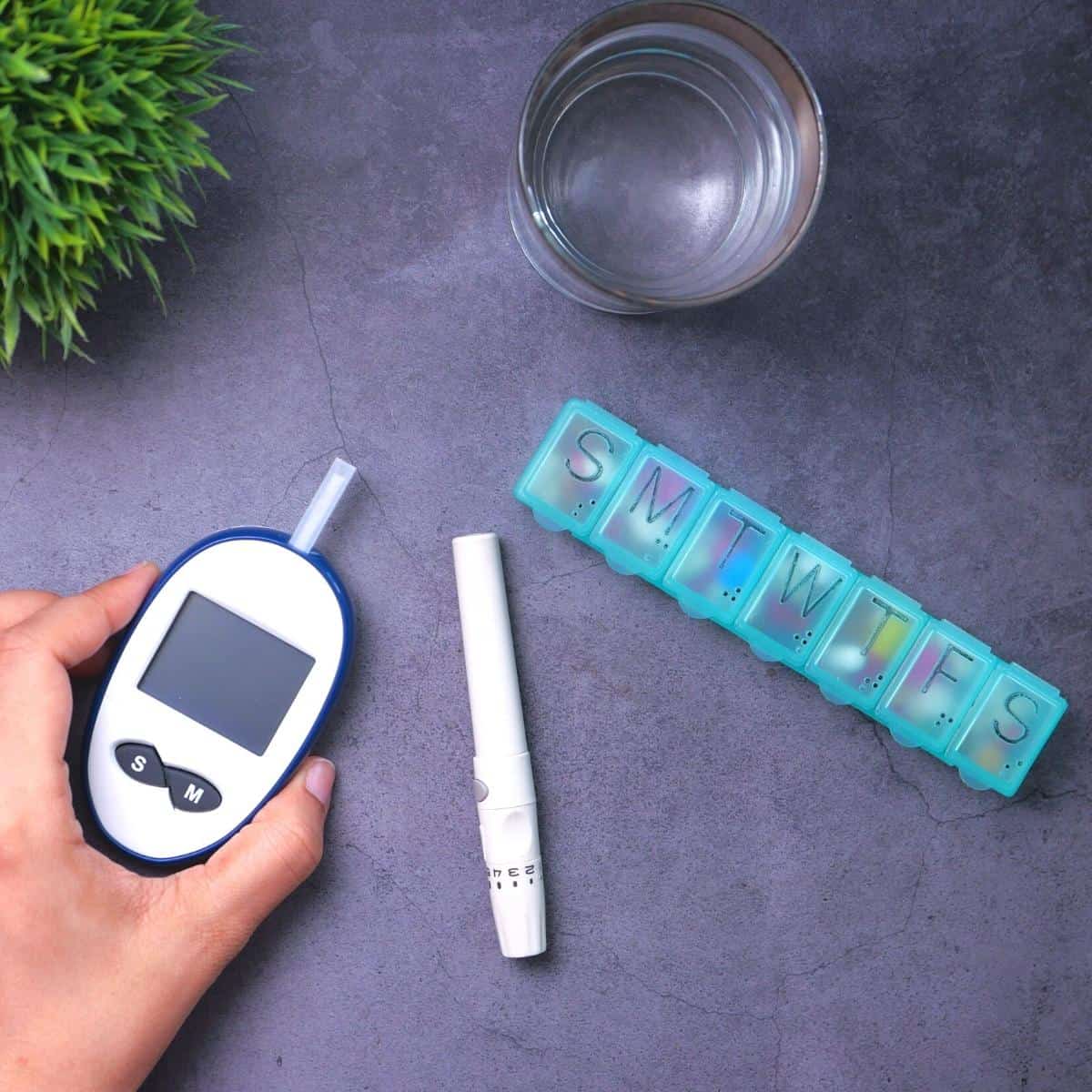
If you regularly forget doses, think about what might make remembering easier. That could be a phone reminder, keeping medication somewhere appropriate that you see at the right time or using a pill organiser if suitable.
Don’t change doses or stop prescribed medication because something you’ve read online says you shouldn’t need it if you’re “healthy enough”.
If you’re experiencing side effects or have concerns about medication, speak to your pharmacist, GP or whoever prescribed it.
Looking after your health isn’t just about lifestyle. Sometimes it’s taking the treatment you actually need.
Have one less alcoholic drink
If you drink alcohol and would like to reduce it, you don’t necessarily need to make a dramatic declaration that you’re giving up forever.
Perhaps you have one fewer drink on an evening out, alternate alcoholic drinks with alcohol-free ones or introduce an extra alcohol-free day into your week.
UK guidance recommends drinking no more than 14 units a week on a regular basis, spread across three or more days if you regularly drink that amount. NHS – Alcohol advice
Small reductions still count.
Stop trying to fix your health with supplements
I understand why supplements are appealing. Taking a tablet every morning is much easier than changing how you eat, sleep or exercise.
Some supplements absolutely have a place, and there are specific UK recommendations around things such as vitamin D and folic acid in pregnancy.
But buying a huge collection of vitamins because somebody online told you they improve energy, immunity, hormones, metabolism and probably your Wi-Fi signal isn’t necessarily improving your health.
If you think you might have a deficiency, particularly if you’re experiencing symptoms, get appropriate advice.
However, this does not mean that supplements cannot be helpful, they absolutely can. You just need to stop thinking that they are magically going to fix all of your problems, because they won’t do that.
When taken in combination with other changes, you may notice a difference. For example, you can try saffron for adhd as it’s supposed to be great for reducing hyperactivity, and helping you sleep.
It’s not a cure, but it may help alongside professional advice and treatment.
Supplements aren’t automatically harmless just because they’re available without a prescription.
Make your social media slightly better for your head
This isn’t something you’ll find on many traditional lists of ways to improve your physical health, but I think it’s worth including.
Pay attention to how the accounts you follow make you feel.
If every time you open Instagram you’re confronted with people who make you feel inadequate about your body, home, diet, exercise routine, parenting, career and apparently inferior morning routine, perhaps you don’t need those people in your phone every day.
Unfollow, mute or replace some of them with accounts you actually enjoy.
You don’t have to consume content that makes you miserable simply because you once clicked Follow.
Do something you enjoy that has absolutely nothing to do with being productive
I think we’ve become a little obsessed with optimising ourselves.
Even hobbies can somehow become things we’re supposed to monetise, improve at or turn into a side hustle.
Do something because you like it.
Read a book. Take photos. Bake something. Go somewhere. Watch a terrible film. Spend an hour doing something completely pointless that makes you happy.
Enjoyment isn’t wasted time.
Health includes your mental and emotional wellbeing too, and your life doesn’t need to become one enormous self-improvement project.
Pick the easiest change on this page
If you’ve reached this point thinking there are twenty things you now need to do, I’ve failed spectacularly at the point of the article!
Please don’t try to do all of them.
Choose the easiest one.
Not necessarily the change that sounds most impressive or promises the biggest result. Pick something you think you could realistically continue doing.
Maybe you’ll walk for ten minutes tomorrow.
Perhaps you’ll buy wholemeal bread next time instead of white because you like both anyway.
Maybe you’ll book the dentist appointment you’ve been avoiding or put your phone down half an hour earlier tonight.
Do that until it doesn’t feel like a project anymore.
Then, if you want to, add something else.
You don’t need to transform your health overnight
There isn’t necessarily a dramatic moment where you wake up as a completely different person.
It can be incredibly ordinary.
You start walking a bit more. Your fitness improves, so you walk a little further. You find a breakfast that keeps you full. You eat a few more vegetables. You start going to bed earlier instead of watching another episode. You finally get a health problem checked instead of worrying about it.
One tiny decision isn’t going to completely transform your health tomorrow.
But repeatedly making slightly better choices over months and years?
That’s where the transformation can happen.
Sources and further reading
Here are some NHS guides you may find helpful.
- NHS – The Eatwell Guide — guidance on eating a varied and balanced diet.
- NHS – How to get more fibre into your diet — information about fibre and the 30g-a-day recommendation for adults.
- NHS – Water, drinks and your health — information about hydration and drinks.
- NHS – Physical activity guidelines for adults — current UK physical activity recommendations.
- NHS – Screening — current information about NHS screening programmes.
- NHS – Alcohol advice — current UK lower-risk drinking guidance.
Medical note: This article contains general health information rather than individual medical advice. If you’re concerned about symptoms, medication, supplements or whether lifestyle changes are appropriate with a medical condition, speak to an appropriate healthcare professional.
🎄 Still got Christmas shopping to do?
I’ve put all my Christmas gift guides, festive recipes and other Christmas bits together in one place to make life a little easier!